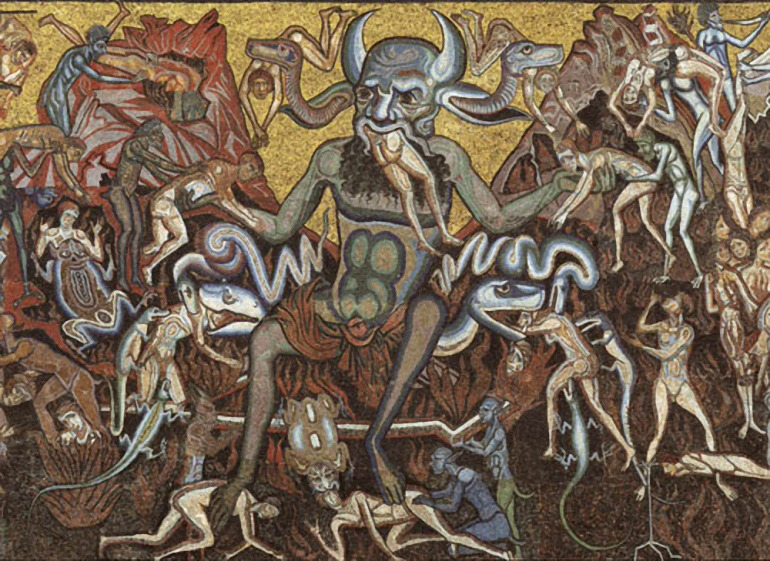
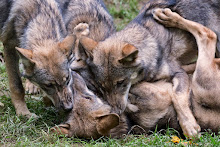
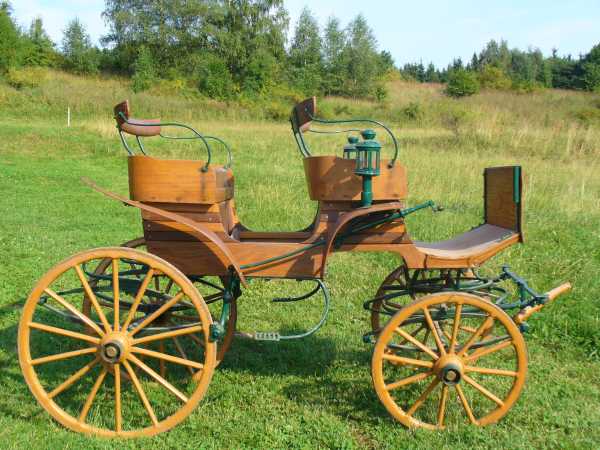
Které výrazy se liší sémanticky a které stylovou platností?
kočár
vůz
spřeženívozítko
sulka
kočí vozík
žebřiňák
bryčka
přibližovadlo
Ve dvojicích vymyslete co nejvíce synonym ke slovům PES a JÍT. Rozdělujte je podle stylové platnosti!
Porovnejte své nápady:
Link1
Link2
Funnkční styly
Funkční styly 2
7. října 2014
30. září 2014
Barvitý popis
Co činí popisné pasáže čtivými? Dokážete si po přečtení uvedeného textu představit nejen zámek Baskerville, ale i atmosféru, která ho obklopuje?
THE HOUND OF THE BASKERVILLES
By A. Conan Doyle
http://www.gutenberg.org/files/2852/2852-h/2852-h.htm
I remembered the case well, for it was one in which Holmes had taken an
interest on account of the peculiar ferocity of the crime and the
wanton brutality which had marked all the actions of the assassin. The
commutation of his death sentence had been due to some doubts as to his
complete sanity, so atrocious was his conduct. Our wagonette had topped
a rise and in front of us rose the huge expanse of the moor, mottled
with gnarled and craggy cairns and tors. A cold wind swept down from
it and set us shivering. Somewhere there, on that desolate plain, was
lurking this fiendish man, hiding in a burrow like a wild beast, his
heart full of malignancy against the whole race which had cast him out.
It needed but this to complete the grim suggestiveness of the barren
waste, the chilling wind, and the darkling sky. Even Baskerville fell
silent and pulled his overcoat more closely around him.
We had left the fertile country behind and beneath us. We looked back on
it now, the slanting rays of a low sun turning the streams to threads of
gold and glowing on the red earth new turned by the plough and the broad
tangle of the woodlands. The road in front of us grew bleaker and wilder
over huge russet and olive slopes, sprinkled with giant boulders. Now
and then we passed a moorland cottage, walled and roofed with stone,
with no creeper to break its harsh outline. Suddenly we looked down into
a cuplike depression, patched with stunted oaks and firs which had been
twisted and bent by the fury of years of storm. Two high, narrow towers
rose over the trees. The driver pointed with his whip.
"Baskerville Hall," said he.
Its master had risen and was staring with flushed cheeks and shining
eyes. A few minutes later we had reached the lodge-gates, a maze of
fantastic tracery in wrought iron, with weather-bitten pillars on either
side, blotched with lichens, and surmounted by the boars' heads of the
Baskervilles. The lodge was a ruin of black granite and bared ribs of
rafters, but facing it was a new building, half constructed, the first
fruit of Sir Charles's South African gold.
Through the gateway we passed into the avenue, where the wheels were
again hushed amid the leaves, and the old trees shot their branches in a
sombre tunnel over our heads. Baskerville shuddered as he looked up
the long, dark drive to where the house glimmered like a ghost at the
farther end.
Domácí úkol:
Přečtete si povídku Karla Čapka Experiment profesora Rousse.
ukázka:
“Pojďte sem,” přerušil ho Amerikán velitelsky, “tady
si sedněte.
Vy musíte říkat, co vás první napadne. Vy nesmíte pře
mýšlet, vy
musíte plácnout mechanically, ani sám nevíte co. Vy
rozumíte?”
“Prosím,” řekl ochotně pokusný muž, trochu tísněn a
uditoriem
tak významným; načež odkašlal a úzkostlivě mrkal jako
maturant.
“Strom,” vystřelil na něj učenec.
“Mohutný,” zašeptal stařík.
“Jak prosím?” ptal se učenec, jaksi nechápaje.
“Lesní velikán,” vysvětloval muž ostýchavě.
“Ah tak. Ulice!”
“Ulice ... ulice v slavnostním hávu,” děl mužík.
“Co tím míníte?”
“Prosím slavnost. Nebo pohřeb.”
“So. Tak vy máte říci jenom slavnost. Pokud možno je
dním
slovem.”
“Ano prosím.”
“Tak dál: Obchod.”
THE HOUND OF THE BASKERVILLES
By A. Conan Doyle
http://www.gutenberg.org/files/2852/2852-h/2852-h.htm
I remembered the case well, for it was one in which Holmes had taken an
interest on account of the peculiar ferocity of the crime and the
wanton brutality which had marked all the actions of the assassin. The
commutation of his death sentence had been due to some doubts as to his
complete sanity, so atrocious was his conduct. Our wagonette had topped
a rise and in front of us rose the huge expanse of the moor, mottled
with gnarled and craggy cairns and tors. A cold wind swept down from
it and set us shivering. Somewhere there, on that desolate plain, was
lurking this fiendish man, hiding in a burrow like a wild beast, his
heart full of malignancy against the whole race which had cast him out.
It needed but this to complete the grim suggestiveness of the barren
waste, the chilling wind, and the darkling sky. Even Baskerville fell
silent and pulled his overcoat more closely around him.
We had left the fertile country behind and beneath us. We looked back on
it now, the slanting rays of a low sun turning the streams to threads of
gold and glowing on the red earth new turned by the plough and the broad
tangle of the woodlands. The road in front of us grew bleaker and wilder
over huge russet and olive slopes, sprinkled with giant boulders. Now
and then we passed a moorland cottage, walled and roofed with stone,
with no creeper to break its harsh outline. Suddenly we looked down into
a cuplike depression, patched with stunted oaks and firs which had been
twisted and bent by the fury of years of storm. Two high, narrow towers
rose over the trees. The driver pointed with his whip.
"Baskerville Hall," said he.
Its master had risen and was staring with flushed cheeks and shining
eyes. A few minutes later we had reached the lodge-gates, a maze of
fantastic tracery in wrought iron, with weather-bitten pillars on either
side, blotched with lichens, and surmounted by the boars' heads of the
Baskervilles. The lodge was a ruin of black granite and bared ribs of
rafters, but facing it was a new building, half constructed, the first
fruit of Sir Charles's South African gold.
Through the gateway we passed into the avenue, where the wheels were
again hushed amid the leaves, and the old trees shot their branches in a
sombre tunnel over our heads. Baskerville shuddered as he looked up
the long, dark drive to where the house glimmered like a ghost at the
farther end.
Domácí úkol:
Přečtete si povídku Karla Čapka Experiment profesora Rousse.
ukázka:
“Pojďte sem,” přerušil ho Amerikán velitelsky, “tady
si sedněte.
Vy musíte říkat, co vás první napadne. Vy nesmíte pře
mýšlet, vy
musíte plácnout mechanically, ani sám nevíte co. Vy
rozumíte?”
“Prosím,” řekl ochotně pokusný muž, trochu tísněn a
uditoriem
tak významným; načež odkašlal a úzkostlivě mrkal jako
maturant.
“Strom,” vystřelil na něj učenec.
“Mohutný,” zašeptal stařík.
“Jak prosím?” ptal se učenec, jaksi nechápaje.
“Lesní velikán,” vysvětloval muž ostýchavě.
“Ah tak. Ulice!”
“Ulice ... ulice v slavnostním hávu,” děl mužík.
“Co tím míníte?”
“Prosím slavnost. Nebo pohřeb.”
“So. Tak vy máte říci jenom slavnost. Pokud možno je
dním
slovem.”
“Ano prosím.”
“Tak dál: Obchod.”
22. září 2014
Docela obyčejný text
When he finally stepped onstage, Langdon received a
rousing round of applause from a crowd that
was standing room only.
“Meine
Damen und Herren,” Langdon began, his
voice booming over the loudspeakers.
“Willkommen,
bienvenue, welcome.”
The famous line from Cabaret drew appreciative laughter from the crowd.
“I’ve been informed that our audience tonight contains
not only Dante Society members, but also
many visiting scientists and students who may be
exploring Dante for the first time. So, for those in
the audience who have been too busy studying to read
medieval Italian epics, I thought I’d begin with
a quick overview of Dante—his life, his work, and why
he is considered one of the most influential
figures in all of history.”
More applause.
Using the tiny remote in his hand, Langdon called up a
series of images of Dante, the first being
Andrea del Castagno’s full-length portrait of the poet
standing in a doorway, clutching a book of
philosophy.
“Dante Alighieri,” Langdon began. “This Florentine
writer and philosopher lived from 1265 to
1321. In this portrait, as in nearly all depictions,
he wears on his head a red cappuccio—a
tight-fitting,
plaited hood with earflaps—which, along with his
crimson Lucca robe, has become the most widely
reproduced image of Dante.”
Langdon advanced slides to the Botticelli portrait of
Dante from the Uffizi Gallery, which stressed
Dante’s most salient features, a heavy jaw and hooked
nose. “Here, Dante’s unique face is once again
framed by his red cappuccio, but in this instance Botticelli has added a laurel
wreath to his cap as a
symbol of expertise—in this case in the poetic arts—a
traditional symbol borrowed from ancient
Greece and used even today in ceremonies honoring poet
laureates and Nobel laureates.”
Langdon quickly scrolled through several other images,
all showing Dante in his red cap, red tunic,
laurel wreath, and prominent nose. “And to round out
your image of Dante, here is a statue from the
Piazza di Santa Croce … and, of course, the famous
fresco attributed to Giotto in the chapel of the
Bargello.”
Langdon left the slide of Giotto’s fresco on the
screen and walked to the center of the stage.
“As you are no doubt aware, Dante is best known for
his monumental literary masterpiece—The
Divine
Comedy—a brutally vivid account of
the author’s descent into hell, passage through purgatory,
and eventual ascent into paradise to commune with God.
By modern standards, The Divine Comedy
has nothing comedic about it. It’s called a comedy for
another reason entirely. In the fourteenth
century, Italian literature was, by requirement,
divided into two categories: tragedy, representing high
literature, was written in formal Italian; comedy,
representing low literature, was written in the
vernacular and geared toward the general population.”
Langdon advanced slides to the iconic fresco by
Michelino, which showed Dante standing outside
the walls of Florence clutching a copy of The
Divine Comedy. In the background, the
terraced
mountain of purgatory rose high above the gates of
hell. The painting now hung in Florence’s
Cathedral of Santa Maria del Fiore—better known as Il
Duomo.
“As you may have guessed from the title,” Langdon
continued, “The Divine Comedy was written in
the vernacular—the language of the people. Even so, it
brilliantly fused religion, history, politics,
philosophy, and social commentary in a tapestry of
fiction that, while erudite, remained wholly
accessible to the masses. The work became such a
pillar of Italian culture that Dante’s writing style
has been credited with nothing less than the
codification of the modern Italian language.”
Langdon paused a moment for effect and then whispered,
“My friends, it is impossible to overstate
the influence of Dante Alighieri’s work. Throughout
all of history, with the sole exception perhaps of
Holy Scripture, no single work of writing, art, music,
or literature has inspired more tributes,
imitations, variations, and annotations than The
Divine Comedy.”
After listing the vast array of famous composers, artists,
and authors who had created works based
on Dante’s epic poem, Langdon scanned the crowd. “So
tell me, do we have any authors here tonight?”
Nearly one-third of the hands went up. Langdon stared
out in shock. Wow, either this is the most
accomplished
audience on earth, or this e-publishing thing is really taking off.
“Well, as all of you authors know, there is nothing a
writer appreciates more than a blurb—one of
those single-line endorsements from a powerful
individual, designed to make others want to buy your
work. And, in the Middle Ages, blurbs existed, too.
And Dante got quite a few of them.”
Langdon changed slides. “How would you like to have this on your book jacket?”
Ne’er walked the earth a greater man than he.
—Michelangelo
A murmur of surprise rustled through the crowd.
“Yes,” Langdon said, “that’s the same Michelangelo you
all know from the Sistine Chapel and the
David. In addition to being a master painter and sculptor,
Michelangelo was a superb poet, publishing
nearly three hundred poems—including one titled
‘Dante,’ dedicated to the man whose stark visions
of hell were those that inspired Michelangelo’s Last
Judgment. And if you don’t believe
me, read the
third canto of Dante’s Inferno
and then visit the Sistine Chapel;
just above the altar, you’ll see this
familiar image.”
Langdon advanced slides to a frightening detail of a
muscle-bound beast swinging a giant paddle at
cowering people. “This is Dante’s hellish ferryman,
Charon, beating straggling passengers with an
oar.”
Langdon moved now to a new slide—a second detail of
Michelangelo’s Last Judgment—a
man
being crucified. “This is Haman the Agagite, who,
according to Scripture, was hanged to death.
However, in Dante’s poem, he was crucified instead. As
you can see here in the Sistine Chapel,
Michelangelo chose Dante’s version over that of the
Bible.” Langdon grinned and lowered his voice to
a whisper. “Don’t tell the pope.”
The crowd laughed.
“Dante’s Inferno created a world of pain and suffering beyond all
previous human imagination, and
his writing quite literally defined our modern visions
of hell.” Langdon paused. “And believe me, the
Catholic Church has much to thank Dante for. His Inferno
terrified the faithful for centuries,
and no
doubt tripled church attendance among the fearful.”
Langdon switched the slide. “And this leads us to the
reason we are all here tonight.”
The screen now displayed the title of his lecture: DIVINE
DANTE: SYMBOLS OF HELL.
“Dante’s Inferno is a landscape so rich in symbolism and iconography
that I often dedicate an entire
semester course to it. And tonight, I thought there
would be no better way to unveil the symbols of
Dante’s Inferno than to walk side by side with him … through the gates
of hell.”
Langdon paced out to the edge of the stage and
surveyed the crowd. “Now, if we’re planning on
taking a stroll through hell, I strongly recommend we
use a map. And there is no map of Dante’s hell
more complete and accurate than the one painted by
Sandro Botticelli.”
He touched his remote, and Botticelli’s forbidding Mappa
dell’Inferno materialized before the
crowd. He could hear several groans as people absorbed
the various horrors taking place in the funnelshaped
subterranean cavern.
“Unlike some artists, Botticelli was extremely
faithful in his interpretation of Dante’s text. In fact,
he spent so much time reading Dante that the great art
historian Giorgio Vasari said Botticelli’s
obsession with Dante led to ‘serious disorders in his
living.’ Botticelli created more than two dozen
other works relating to Dante, but this map is his
most famous.”
Langdon turned now, pointing to the upper left-hand
corner of the painting. “Our journey will begin
up there, aboveground, where you can see Dante in red,
along with his guide, Virgil, standing outside
the gates of hell. From there we will travel downward,
through the nine rings of Dante’s inferno, and
eventually come face-to-face with …”
Langdon quickly flashed to a new slide—a giant
enlargement of Satan as depicted by Botticelli in
this very painting—a horrific, three-headed Lucifer
consuming three different people, one in each
mouth.
The crowd gasped audibly.
“A glance at coming attractions,” Langdon announced.
“This frightening character here is where
tonight’s journey will end. This is the ninth ring of
hell, where Satan himself resides. However …”
Langdon paused. “Getting there is half the fun, so
let’s rewind a bit … back up to the gates of hell,
where our journey begins.”
Langdon moved to the next slide—a Gustave Doré
lithograph that depicted a dark, tunneled
entrance carved into the face of an austere cliff. The
inscription above the door read: ABANDON ALL
HOPE, YE WHO ENTER HERE.
“So …” Langdon said with a
smile. “Shall we enter?”
Dan Brown - Inferno
Přeložte tučně vyznačené části textu a vložte svůj překlad do komentáře k tomuto blogu (do nedělního večera).
zajímavý odkaz
Přeložte tučně vyznačené části textu a vložte svůj překlad do komentáře k tomuto blogu (do nedělního večera).
zajímavý odkaz
13. května 2014
22. dubna 2014
Uvození přímé řeči
He said.
To je v anglicky psané literatuře snad nejčastější věta. Některé typy textů nám dovolí být trochu tvořivější a využít pro uvození přímé řeči jiná slovesa, než věčné "řekl".
Na základě práce v semináři sestavte překladatelskou pomůcku - seznam sloves, která připadají v úvahu. Zaměřte se především na vyjádření emocí a dějů (obojí musí samozřejmě v praxi vycházet z originálního textu, nemůžeme si hovor obohacovat podle vlstního uvážení, bez respektu k autorovi !)
Hotový slovníček vložte do komentáře k tomuto blogu. Uvažujte, jak slovesa seřadíte a graficky uspořádáte, aby byla pomůcka dostatečně praktická.
To je v anglicky psané literatuře snad nejčastější věta. Některé typy textů nám dovolí být trochu tvořivější a využít pro uvození přímé řeči jiná slovesa, než věčné "řekl".
Na základě práce v semináři sestavte překladatelskou pomůcku - seznam sloves, která připadají v úvahu. Zaměřte se především na vyjádření emocí a dějů (obojí musí samozřejmě v praxi vycházet z originálního textu, nemůžeme si hovor obohacovat podle vlstního uvážení, bez respektu k autorovi !)
Hotový slovníček vložte do komentáře k tomuto blogu. Uvažujte, jak slovesa seřadíte a graficky uspořádáte, aby byla pomůcka dostatečně praktická.
17. dubna 2014
War at Sea
Alistair MacLean - H.M.S. ULYSSES
Review
Vyberte si způsob práce, který vám lépe vyhovuje:
1. překládejte samostatně, pouze tučně vyznačené části textu (jsou dvě!)
2. Pracujte ve dvojici a přeložte celou ukázku KROMĚ posleních tří odstavců.
Nejpozdější datum odevzdání posledních dvou textů tohtoto semináře (Bradbury, MacLean)
je 10. května 2014.
Jak byste přeložili následující výrazy?
Action Stations
starboard
moderate swell
two cable-lengths away
astern
voice-pipe
knots
Aldis lamps
Asdic
depth-charge L.T.O
destroyer
Gun barrels were already depressing, peering hungrily into the treacherous sea.
--------------------------------------------------------------------------------------------------
příklady odkazů:
http://www.naval-history.net/WW2aaRN-PayTables00Ranks-Badges.htm
http://www.pbenyon.plus.com/Uniform/Torpedo_branch.html
http://en.wikipedia.org/wiki/Royal_Navy_ratings_rank_insignia
http://www.acronymfinder.com/Military-and-Government/LTO.html
http://www.thefreedictionary.com/astern
http://www.pbenyon.plus.com/Uniform/Rates_1918.html
http://cs.wikipedia.org/wiki/Kabel_%28jednotka%29
http://www.merriam-webster.com/dictionary/astern
https://www.google.cz/search?q=destroyer&client=firefox-a&hs=a1u&rls=org.mozilla:cs:official&channel=fflb&tbm=isch&tbo=u&source=univ&sa=X&ei=BU9WU7rYBeT17AaQ-4GgDA&ved=0CFUQsAQ&biw=1787&bih=842&dpr=0.9
http://en.wikipedia.org/wiki/Destroyer
Vyberte si způsob práce, který vám lépe vyhovuje:
1. překládejte samostatně, pouze tučně vyznačené části textu (jsou dvě!)
2. Pracujte ve dvojici a přeložte celou ukázku KROMĚ posleních tří odstavců.
Nejpozdější datum odevzdání posledních dvou textů tohtoto semináře (Bradbury, MacLean)
je 10. května 2014.
Jak byste přeložili následující výrazy?
Action Stations
starboard
moderate swell
two cable-lengths away
astern
voice-pipe
knots
Aldis lamps
Asdic
depth-charge L.T.O
destroyer
Gun barrels were already depressing, peering hungrily into the treacherous sea.
--------------------------------------------------------------------------------------------------
příklady odkazů:
http://www.naval-history.net/WW2aaRN-PayTables00Ranks-Badges.htm
http://www.pbenyon.plus.com/Uniform/Torpedo_branch.html
http://en.wikipedia.org/wiki/Royal_Navy_ratings_rank_insignia
http://www.acronymfinder.com/Military-and-Government/LTO.html
http://www.thefreedictionary.com/astern
http://www.pbenyon.plus.com/Uniform/Rates_1918.html
http://cs.wikipedia.org/wiki/Kabel_%28jednotka%29
http://www.merriam-webster.com/dictionary/astern
https://www.google.cz/search?q=destroyer&client=firefox-a&hs=a1u&rls=org.mozilla:cs:official&channel=fflb&tbm=isch&tbo=u&source=univ&sa=X&ei=BU9WU7rYBeT17AaQ-4GgDA&ved=0CFUQsAQ&biw=1787&bih=842&dpr=0.9
http://en.wikipedia.org/wiki/Destroyer
CHAPTER SEVEN
WEDNESDAY NIGHT
WEDNESDAY NIGHT
The Ulysses
was at dawn Action Stations as the shadowy shapes of the convoy, a bare mile
ahead, lifted out of the greying gloom. The great bulk of the Blue Ranger, on
the starboard quarter of the convoy, was unmistakable. There was a moderate
swell running, but not enough to be uncomfortable: the breeze was light, from
the west, the temperature just below zero, the sky chill and cloudless. The
time was exactly 0700.
At 0702,
the Blue Ranger was torpedoed. The Ulysses was two cable-lengths away, on her
starboard quarter: those on the bridge felt the physical shock of the twin
explosions, heard them shattering the stillness of the dawn as they saw two
searing columns of flame fingering skywards, high above the Blue Ranger's bridge
and well aft of it. A second later they heard a signalman shouting something
unintelligible, saw him pointing forwards and downwards. It was another torpedo,
running astern of the carrier, trailing its evil phosphorescent wake across the
heels of the convoy, before spending itself in the darkness of the Arctic.
Vallery was
shouting down the voice-pipe, pulling round the Ulysses, still doing upwards of
twenty knots, in a madly heeling, skidding turn, to avoid collision with the
slewing carrier. Three sets of Aldis lamps and the fighting lights were already
stuttering out the "Maintain Position "code signal to ships in the
convoy. Marshall, on the phone, was giving the stand-by order to the
depth-charge L.T.O.: gun barrels were already depressing, peering hungrily into
the treacherous sea. The signal to the Sirrus stopped short, unneeded: the
destroyer, a half-seen blue in the darkness, was already knifing its way
through the convoy, white water piled high at its bows, headed for the
estimated position of the U-boat.
The Ulysses
sheered by parallel to the burning carrier, less than 150 feet away; travelling
so fast, heeling so heavily and at such close range, it was impossible to
gather more than a blurred impression, a tangled, confused memory of heavy
black smoke laced with roaring columns of flame, appalling in that
near-darkness, of a drunkenly listing flight-deck, of Grummans and Corsairs
cartwheeling grotesquely over the edge to splash icy clouds of spray in shocked
faces, as the cruiser slewed away; and then the Ulysses was round, heading back
south for the kill.
Within a
minute, the signal-lamp of tine Vectra, up front with the convoy, started
winking. "Contact, Green 70, closing: Contact, Green 70, closing."
"Acknowledge;
"Tyndall ordered briefly; The Aldis had barely begun to clack when the
Vectra cut through the signal.
"Contacts,
repeat contacts. Green 90, Green 90. Closing. Very close. Repeat contacts,
contacts."
Tyndall
cursed softly.
"Acknowledge.
Investigate." He turned to Vallery. "Let's join him, Captain. This is
it. Wolf-pack Number One-and in force. No bloody right to be here," he
added bitterly. "So much for Admiralty Intelligence!"
The Ulysses
was round again, heading for the Vectra. It should have been growing lighter
now, but the Blue Ranger, her squadron fuel tanks on fire, a gigantic torch
against the eastern horizon, had the curious effect of throwing the surrounding
sea into heavy darkness. She lay almost athwart of the flagship's course for
the Vectra, looming larger every minute. Tyndall had his night glasses to his
eyes, kept on muttering: "The poor bastards, the poor bastards!"
The Blue
Ranger was almost gone. She lay dead in the water, heeled far over to
starboard, ammunition and petrol tanks going up in a constant series of
crackling reports. Suddenly, a succession of dull, heavy explosions rumbled
over the sea: the entire bridge island structure lurched crazily sideways,
held, then slowly, ponderously, deliberately, the whole massive body of it
toppled majestically into the glacial darkness of the sea. God only knew how
many men perished with it, deep down in the Arctic, trapped in its iron walls.
They were the lucky ones.
The Vectra,
barely two miles ahead now, was pulling round south in a tight circle. Vallery
saw her, altered course to intercept. He heard Bentley shouting something
unintelligible from the fore corner of the compass platform. Vallery shook his
head, heard him shouting again, his voice desperate with some nameless urgency,
his arm pointing frantically over the windscreen, and leapt up beside him.
The sea was
on fire. Flat, calm, burdened with hundreds of tons of fuel oil, it was a vast
carpet of licking, twisting flames. That much, for a second, and that only,
Vallery saw: then with heart-stopping shock, with physically sickening abruptness,
he saw something else again: the burning sea was alive with swimming,
struggling men. Not a handful, not even dozens, but literally hundreds,
soundlessly screaming, agonisingly dying in the barbarous contrariety of drowning
and cremation.
"Signal
from Vectra, sir." It was Bentley speaking, his voice abnormally
matter-of-fact. "'Depth-charging. 3, repeat 3 contacts. Request immediate
assistance.'"
Tyndall was
at Vallery's side now. He heard Bentley, looked a long second at Vallery,
following his sick, fascinated gaze into the sea ahead, For a man in the sea,
oil is an evil thing. It clogs his movements, burns his eyes, sears his lungs
and tears away his stomach in uncontrollable paroxysms of retching; but oil on
fire is a hellish thing, death by torture, a slow, shrieking death by drowning,
by burning, by asphyxiation-for the flames devour all the life-giving oxygen on
the surface of the sea. And not even in the bitter Arctic is there the merciful
extinction by cold, for the insulation of an oil-soaked body stretches a dying
man on the rack for eternity, carefully preserves him for the last excruciating
refinement of agony.
All this
Vallery knew.
He knew,
too, that for the Ulysses to stop, starkly outlined against the burning
carrier, would have been suicide.
And to come
sharply round to starboard, even had there been time and room to clear the
struggling, dying men in the sea ahead, would have wasted invaluable minutes,
time and to spare for the U-boats ahead to line up firing-tracks on the convoy;
and the Ulysses's first responsibility was to the convoy. Again all this
Vallery knew. But, at that moment, what weighed most heavily with him was common
humanity.
Fine off
the port bow, close in to the Blue Ranger, the oil was heaviest, the flames
fiercest, the swimmers thickest: Vallery looked back over his shoulder at the
Officer of the Watch.
"Port
10!"
"Port
10, sir."
"Midships!"
"Midships,
sir."
"Steady
as she goes!"
For ten,
fifteen seconds the Ulysses held her course, arrowing through the burning sea
to the spot where some gregariously atavistic instinct for self-preservation
held two hundred men knotted together in a writhing, seething mass, gasping out
their lives in hideous agony. For a second a great gout of flame leapt up in
the centre of the group, like a giant, incandescent magnesium flare, a flame
that burnt the picture into the hearts and minds of the men on the bridge with
a permanence and searing clarity that no photographic plate could ever have
reproduced: men on fire, human torches beating insanely at the flames that
licked, scorched and then incinerated clothes, hair and skin: men flinging
themselves almost out of the water, backs arched like tautened bows, grotesque
in convulsive crucifixion: men lying dead in the water, insignificant,
featureless little oil-stained maunds in an oil-soaked plain: and a handful of
fear-maddened men, faces inhumanly contorted, who saw the Ulysses and knew what
was coming, as they frantically thrashed their way to a safety that offered
only a few more brief seconds of un-speakable agony before they gladly died.
"Starboard
30!" Vallery's voice was low, barely a murmur, but it carried clearly
through the shocked silence on the bridge.
"Starboard
30, sir."
For the
third time in ten minutes, the Ulysses slewed crazily round in a racing turn.
Turning thus, a ship does not follow through the line of the bows cutting the
water; there is a pronounced sideways or lateral motion, and the faster and
sharper the turn, the more violent the broadside skidding motion, like a car on
ice. The side of the Ulysses caught the edge of the group on the port bow :
almost on the instant, the entire length of the
swinging hull smashed into the heart of the fire, into the thickest
press of dying men.
For most of
them, it was just extinction, swift and glad and merciful. The tremendous
concussion and pressure waves crushed the life out of them, thrust them deep
down into the blessed oblivion of drowning, thrust them down and sucked them
back into the thrashing vortex of the four great screws.
On board
the Ulysses, men for whom death and destruction had become the stuff of
existence, to be accepted with the callousness and jesting indifference that
alone kept them sane-these men clenched impotent fists, mouthed meaningless,
useless curses over and over again and wept heedlessly like little children.
They wept as pitiful, charred faces, turned up towards the Ulysses and alight with
joy and hope, petrified into incredulous staring horror, as realisation dawned
and the water closed over them; as hate-filled men screamed insane invective,
both arms raised aloft, shaking fists white-knuckled through the dripping oil
as the Ulysses trampled them under: as a couple of young boys were sucked into
the maelstrom of the propellers, still giving the thumbs-up sign: as a
particularly shocking case, who looked as if he had been barbecued on a spit
and had no right to be alive, lifted a scorified hand to the blackened hole
that had been his mouth, flung to the bridge a kiss in token of endless
gratitude ; and wept, oddly, most of all, at the inevitable humorist who lifted
his fur cap high above his head and bowed gravely and deeply, his face into the
water as he died.
Suddenly,
mercifully, the sea was empty. The air was strangely still and quiet, heavy
with the sickening stench of charred flesh and burning Diesel, and the
Ulysses's stern was swinging wildly almost under the black pall overhanging the
Blue Ranger amidships, when the shells struck her.
The
shells-three 3.7s-came from the Blue Ranger. Certainly, no living gun-crews
manned these 3.7s-the heat must have ignited the bridge fuses in the cartridge
cases. The first shell exploded harmlessly against the armour-plating: the second
wrecked the bosun's store, fortunately empty: the third penetrated No. 3 Low
Power Room via the deck. There were nine men in there-an officer, seven ratings
and Chief-Torpedo Gunner's Mate Noyes. In that confined space, death was
instantaneous.
Only
seconds later a heavy rumbling explosion blew out a great hole along the
waterline of the Blue Ranger and she fell slowly, wearily right over on her
starboard side, her flight-deck vertical to the water, as if content to die now
that, dying, she had lashed out at the ship that had destroyed her crew.
On the
bridge, Vallery still stood on the yeoman's platform, leaning over the starred,
opaque Windscreen. His head hung down, his eyes were shut and he was retching
desperately, the gushing blood-arterial blood-ominously bright and scarlet in
the erubescent glare of the sinking carrier. Tyndall stood there helplessly
beside him, not knowing what to do, his mind numbed and sick. Suddenly, he was
brushed unceremoniously aside by the Surgeon-Commander, who pushed a white
towel to Vallery's mouth and led him gently below. Old Brooks, everyone knew,
should have been at his Action Stations position in the Sick Bay: no one dared
say anything.
Carrington
straightened the Ulysses out on course, while he waited for Turner to move up
from the after Director tower to take over the bridge. In three minutes the
cruiser was up with the Vectra, methodically quartering for a lost contact.
Twice the ships regained contact, twice they dropped heavy patterns. A heavy
oil slick rose to the surface: possibly a kill, probably a ruse, but in any
event, neither ship could remain to investigate further. The convoy was two
miles ahead now, and only the Stirling and Viking were there for its
protection-a wholly inadequate cover and powerless to save the convoy from any
determined attack.
It was the
Blue Ranger that saved FR77. In these high latitudes, dawn comes slowly,
interminably: even so, it was more than half-ligljt, and the merchant ships,
line ahead through that very gentle swell, lifted clear and sharp against a cloudless
horizon, a U-boat Commander's dream-or would have been, had he been able to see
them. But, by this time, the convoy was completely obscured from the wolf-pack
lying to the south: the light westerly wind carried the heavy black smoke from
the blazing carrier along the southern flank of the convoy, at sea level, the
perfect smoke-screen, dense, impenetrable. Why the U-boats had departed from
their almost invariable practice of launching dawn attacks from the north, so
as to have their targets between themselves and the sunrise, could only be
guessed. Tactical surprise, probably, but whatever the reason it was the saving
of the convoy. Within an hour, the thrashing screws of the convoy had left the
wolf-pack far behind-and FR77, having slipped the pack, was far too fast to be
overtaken again.
Aboard the
flagship, the W.T. transmitter was chattering out a coded signal to London.
There was little point, Tyndall had decided, in maintaining radio silence now;
the enemy knew their position to a mile.
Tyndall
smiled grimly as he thought of the rejoicing in the German Naval High Command
at the news that FR77 was without any air cover whatsoever; as a starter, they
could expect Charlie within the hour.
The signal
read: "Admiral, 14 A.C.S.: To D.N.C., London. Rendezvoused FR77 1030
yesterday. Weather conditions extreme. Severe damage to Carriers: Defender,
Wrestler unserviceable, returning base under escort: Blue Ranger torpedoed
0702, sunk 0730 today: Convoy Escorts now Ulysses, Stirling, Sirrus, Vectra,
Viking: no minesweepers--Eager to base, minesweeper from Hvalfjord failed
rendezvous: Urgently require air support: Can you detach carrier battle
squadron: Alternatively, permission return base. Please advise
immediately."
The wording
of the message, Tyndall pondered, could have been improved. Especially the bit
at the end-probably sounded sufficiently like a threat to infuriate old Starr,
who would only see in it pusillanimous confirmation of his conviction of the
Ulysses's-and Tyndall's-unfitness for the job... Besides, for almost two years
now-since long before the sinking of the Hood by the Bismarck-it had been
Admiralty policy not to break up the Home Fleet squadrons by detaching capital
ships or carriers. Old battleships, too slow for modern inter-naval surface
action-vessels such as the Ramillies and the Malaya-were used for selected
Arctic convoys : with that exception, the official strategy was based on
keeping the Home Fleet intact, containing the German Grand Fleet – and risking
the convoys...
31. března 2014
Ray Bradbury
V capse najdete bohatý výběr povídek Raye Bradburyho. Čtěte, ptejte se, vybírejte; název zvolené povídky a jména překladatele (či překladatelské dvojice) vložte do komentáře k tomuto blogu.
Přihlásit se k odběru:
Příspěvky (Atom)