Vyberte si na capse libovolnou povídku E. Hemingwaye nebo R. Bradburyho. Zaregistrujte si zvolený titul v komentáři k tomuto blogu!
Můžete překládat sami nebo ve dvojicích. Každý překladatelský tým pracuje na jiném textu - v případě sporu rozhoduje právě registrace zde.
V seminářích budeme problémy spojené s těmito překlady řešit průběžně. Přeloženou povídku prosím odevzdejte do 15. ledna EMAILEM jako přílohu WORD na mou adresu.
21. listopadu 2018

14. listopadu 2018
Moře a válka

Mezi nejnáročnější patří texty válečné - jednak pro emoce, jednak pro široký rejstřík dobových vojenských termínů a reálií (tzv. miliaria), které je nutno nejprve pečlivě rozluštit, pochopit a několikanásobně ověřit, a poté k nim vyhledat příslušné ekvivalenty v cílovém jazyce.
Zejména díla britské literatury pak přinášejí ještě prvek nám suchozemcům neznámý - moře a mořeplavbu.
1. Kde a kdy se děj odehrává?
2. Jak byste charakterizovali autorský styl? Které jazykové prvky bude obtížné překládat?
3. Které výrazy bude nutné vyhledat a ověřit?
_________________
Nicholas Monsarrat - The Cruel Sea
Part Three: 1941 - Grappling
7
The smiling weather of that late summer helped them to
settle down to sea-going again, after the relaxation of their refit. It was a
curious business, this tuning-up of men and machinery, and in some cases it
caught both of them unawares. Compass Rose hit the knuckle of the jetty –
fortunately not very hard - on her way out of dock, owing to a small defect in
her reversing gear; and one seaman, to his lasting shame, was actually seasick
on the five-minute trip across the river to top up at the oiler. ... But these
were odd items in a quick process of re-establishment: when they picked up
their convoy off the Bar Light Vessel they were already half-way back to the
old routine, and by the time they were two days out, clear of land and heading
in a wide south-westerly circle for Gibraltar, the ship was fighting fit again.
The weather gave them a wonderful succession of sunlit days and calm nights;
and conscious of their luck in sailing for hour after hour over a deep blue, mirror-calm
sea, the sort of warm and lazy trip that cost a guinea a day in peace-time,
they quickly made the transfer from land to seafaring. It was, from many
angles, good to be back on the job again: clear of the dubious and emotional tie of land, they
were once more part of an increased escort - two destroyers and five corvettes
- charged with the care of twenty-one deep-laden ships bound for Gibraltar.
This was their real task, and they turned to it again with the readiness of men
who, knowing that the task was crucial, were never wholly convinced that the
Navy could afford to let them take a holiday.
The treachery of that perfect weather, the lure of the easy
transition, were not long in the declaring.
It started with a
single aircraft, possibly an old friend, a four-engined Focke-Wulf reconnaissance plane which closed the convoy
from the eastwards and then began to go round them in slow circles, well out of
range of any gun-fire they could put up. It had happened to them before, and
there was little doubt of what the plane was doing - pin-pointing the convoy,
shadowing it, noting exactly its course and speed, and then reporting back to
some central authority, as well as tipping off any Uboats that might be nearby.
The change this time lay in the fact that it was occurring so early in their
voyage, and that, as they watched the plane circling and realized its mission,
the sun was pouring down from a matchless sky on to a sea as smooth and as
lovely as old glass, hardly disturbed at all by the company of ships that
crossed it on their way southwards. Unfair to peaceloving convoys, they thought
as they closed their ranks and trained their glasses on the slowlycircling messenger
of prey: leave us alone on this painted ocean, let us slip by, no one will
know. ...
At dusk the plane withdrew, droning away eastwards at the
same level pace: up on the bridge,
preparing to darken ship and close down for the night, they
watched it go with gloomy foreboding.
'It's too easy,' said Ericson broodingly, voicing their
thoughts. 'All it's got to do is to fly round and round us, sending out some
kind of homing signal, and every U-boat within a hundred miles just steers
straight for us.' He eyed the sky, innocent and cloudless. 'I wish it would
blow up a bit. This sort of weather doesn't give us a chance.'
There was nothing out of the ordinary that night, except a
signal at eleven o'clock addressed by the Admiralty to their convoy. 'There are
indications of five U-boats in your area, with others joining,' it warned them
with generous scope, and left them to make the best they could of it. As soon as
darkness fell the convoy changed its course from the one the aircraft had
observed, going off at a sharp tangent in the hope of escaping the pursuit:
perhaps it was successful, perhaps the U-boats were still out of range, for the
five hours of darkness passed without incident, while on the radarscreen the
compact square of ships and the out-lying fringe of escorts moved steadily
forwards, undisturbed, escaping notice. Viperous, making her routine dash round
the convoy at first light, signalled: 'I think we fooled them,' as she swept
past Compass Rose. The steep wave of her wash had just started them rolling
when they heard the drone of an aircraft, and the spy was with them again.
The first ship was
torpedoed and set on fire at midday. She was a big tanker - all the twenty-one ships
in the convoy were of substantial size, many of them bound for Malta and the
eastern Mediterranean: it was a hand-picked lot, a valuable prize well worth
the pursuit and the harrying. And pursued and harried they were, without
quarter: the swift destruction of that first ship marked the beginning of an
eight-day battle which took steady toll of the convoy, thinning out the ships each
night with horrible regularity, making of each dawn a disgusting nursery-rhyme,
a roll-call of the diminishing band of nigger-boys.
They fought back, they did their best: but the odds against
them were too high, the chinks in their armour impossible to safeguard against
so many circling enemies.
'There are nine
U-boats in your area,' said the Admiralty at dusk that night, as generous as
ever; and the nine U-boats between them sank three ships, one of them in
circumstances of special horror. She was known to be carrying about twenty
Wrens, the first draft to be sent to Gibraltar: aboard Compass Rose they had
watched the girls strolling about the deck, had waved to them as they passed,
had been glad of their company even at long range. The ship that carried them
was the last to be struck that night: she went down so swiftly that the flames
which engulfed the whole of her after-part hardly had time to take hold before
they were quenched. The noise of that quenching was borne over the water
towards Compass Rose, a savage hissing roar, indescribably cruel. 'By God, it's
those poor kids!' exclaimed Ericson, jolted out of a calm he could not preserve
at so horrible a moment. But there was nothing that they could do: they were
busy on a wide search ordered by Viperous, and they could not leave it. If
there were anything left to rescue, someone else would have to do it.
Four of the girls
were in fact picked up by another merchant ship which had bravely stopped and lowered
a boat for the job. They were to be seen next morning, sitting close together
on the upper deck, staring out at the water: there was no gay waving now, from
either side.... But the ship that rescued them was one of the two that were
sunk that same night: she too went down swiftly, and Compass Rose, detailed
this time to pick up survivors could only add four to her own total of living passengers,
and six to the dead. Among these dead was one of the Wrens, the only one that
any ship found out of the draft of twenty: included in the neat row of corpses
which Tallow laid out on the quarterdeck, the girl's body struck a note of
infinite pity. She was young: the drenched fair hair, the first that had ever
touched the deck of Compass Rose, lay like a spread fan, outlining a pinched
and frightened face which would, in living repose, have been lovely. Lockhart,
who had come aft at dawn to see to the sewing-up of those that were to be
buried, felt a constriction in his throat as he looked down at her. Surely
there could be no sadder, no filthier aspect of war. ... But there were many
other things to do besides mourn or pity. They buried her with the rest, and
added her name to the list in the log, and continued the prodigal southward
journey.
Six ships were gone already: six ships in two days, and they
still had a week to go before they were near the shelter of land. But now they
had a stroke of luck: a succession of two dark nights which, combined with a
violent evasive alteration of course, threw the pursuit off the scent. Though
they were still on the alert, and the tension, particularly at night, was still
there, yet for forty-eight hours they enjoyed a wonderful sense of respite: the
convoy, now reduced to fifteen ships, cracked on speed, romping along towards
the southern horizon and the promise of safety. Aboard Compass Rose, a cheerful
optimism succeeded the sense of ordained misfortune which had begun to take a hold;
and the many survivors whom they had picked up, wandering about the upper deck
in their blankets and scraps of clothing or lining the rails to stare out at
the convoy, lost gradually the strained refugee look which was so hard on the
naval conscience. Hope grew: they might see harbour after all. ...
So it was for two days and two nights; and then the
aircraft, casting wide circles in the clear dawn sky, found them again.
Rose, the young signalman, heard it first: a stirring in the
upper air, a faint purring whisper which meant discovery. He looked round him
swiftly, his head cocked on one side: he called out: 'Aircraft, sir -
somewhere...' and Ferraby and Baker, who had the forenoon watch, came to the
alert in the same swift nervous movement. The throbbing grew, and achieved a
definite direction - somewhere on their port beam, away from the convoy and
towards the distant Spanish coast. 'Captain, sir!' called Baker down the
voice-pipe. 'Sound of aircraft -' but Ericson was already mounting the
bridge-ladder, brought up from his sea-cabin by the hated noise. He looked
round him, narrowing his eyes against the bright day, and then: 'There it is!'
he exclaimed suddenly, and pointed. On their beam, emerging from the pearly
morning mist that lay low on the horizon all round them, was the plane, the
spying eye of the enemy.
They all stared at it, every man on the bridge, bound
together by the same feeling of anger and
hatred. It was so unfair. ... U-boats they could deal with -
or at least the odds were more level: with a bit of luck in the weather, and
the normal skill of sailors, the convoy could feint and twist and turn and hope
to escape their pursuit. But this predatory messenger from another sphere,
destroying the tactical pattern, eating into any distance they contrived to put
between themselves and the enemy - this betrayer could never be baulked. They
felt, as they watched the aircraft, a helpless sense of nakedness, an
ineffectual rage: clearly, it was all going to happen again, in spite of their care
and watchfulness, in spite of their best endeavours, and all because a handful
of young men in an aircraft could span half an ocean in a few hours, and come
plummeting down upon their slower prey.
Swiftly the aircraft must have done its work, and the
U-boats could not have been far away; within twelve hours, back they came, and
that night cost the convoy two more ships out of the dwindling fleet. The hunt
was up once more, the pack exultant, the savage rhythm returning and
quickening. ... They did their best: the escorts counter-attacked, the convoy
altered course and increased its speed: all to no purpose. The sixth day
dawned, the sixth night came: punctually at midnight the alarm-bells sounded
and the first distress-rocket soared up into the night sky, telling of a ship mortally
hit and calling for help. She burned for a long time, that ship, reddening the
water, lifting sluggishly with the swell, becoming at last a flickering oily
pyre which the convoy slowly left astern. Then there was a pause of more than
two hours, while they remained alert at Action Stations and the convoy slid
southwards under a black moonless sky; and then, far out on the seaward horizon,
five miles away from them, there was a sudden return of violence. A brilliant
orange flash split the darkness, died down, flared up again, and then guttered
away to nothing. Clearly it was another ship hit - but this time, for them, it
was much more than a ship; for this time, this time it was Sorrel.
They all knew it must
be Sorrel, because at that distance it could not be any other ship, and also because
of an earlier signal which they had relayed to her from Viperous. 'In case of
an attack tonight', said the signal, 'Sorrel will proceed five miles astern and
to seaward of the convoy, and create a diversion by dropping depth-charges,
firing rockets, etc. This may draw the main attack away from the convoy.' They
had seen the rockets earlier that night, and disregarded them: they only meant
that Sorrel, busy in a corner, was doing her stuff according to plan. ... Probably
that plan had been effective, if the last two hours' lull were anything to go
by: certainly it had, from one point of view, been an ideal exercise, diverting
at least one attack from its proper mark. But in the process, someone had to
suffer: it had not cancelled the stalking approach, it did not stop the torpedo
being fired: Sorrel became the mark, in default of a richer prize, meeting her
lonely end in the outer ring of darkness beyond the convoy.
Poor Sorrel, poor sister-corvette. ... Up on the bridge of
Compass Rose, the men who had known her best of all were now the mourners,
standing separated from each other by the blackness of night but bound by the
same shock, the same incredulous sorrow. How could it have happened to Sorrel, to
an escort like themselves ...? Immediately he saw the explosion, Ericson had
rung down to the wireless office. '"Viperous from Compass Rose",' he
dictated.' "Sorrel torpedoed in her diversion position. May I leave and
search for survivors?"' Then: 'Code that up,' he snapped to the telegraphist
who was taking down the message. 'Quick as you can. Send it by RAT.' Then, the message
sent, they waited, silent in the darkness of the bridge, eyeing the dim bulk of
the nearest ship, occasionally turning back to where Sorrel had. been struck.
No one said a word: there were no words for this. There were only thoughts, and
not many of those.
The bell of the wireless-office rang sharply, breaking the
silence, and Leading-Signalman Wells, who was standing by the voice-pipe, bent
down to it.
'Bridge!' he said, and listened for a moment. Then he
straightened up, and called to the Captain across the grey width of the the
bridge. 'Answer from Viperous, sir.... "Do not leave convoy until daylight".'
There was silence again, a sickened, appalled silence.
Ericson set his teeth. He might have
guessed.... It was the right answer, of course, from the
cold technical angle: Viperous simply could not afford to take another escort
from the screen, and send her off on a non-essential job. It was the right
answer, but by Christ it was a hard one!... Back there in the lonely darkness,
ten miles and more away by now, men were dying, men of a special sort: people
they knew well, sailors like themselves: and they were to be left to die, or,
at best, their rescue was to be delayed for a period which must cost many
lives. Sorrel's sinking had come as an extraordinary shock to them all: she was
the first escort that had ever been lost out of their group, and she was, of
all the ones that could have gone, their own chummy-ship, the ship they had
tied up alongside after countless convoys, for two years on end: manned by
their friends, men they played tombola with or met in pubs ashore: men they
could always beat at football. ... For Sorrel to be torpedoed was bad enough;
but to leave her crew to sink or swim hi the darkness was the most cruel stroke
of all.
'Daylight,' said Morell suddenly, breaking the oppressive
silence on the bridge. 'Two more hours to wait.'
Ericson found himself answering: 'Yes' - not to Morell's
words, but to what he had meant. It was a cold night. With two hours to wait,
and then the time it would take them to run back to where Sorrel had gone down,
there would be very few men left to pick up.
There were in fact fifteen - fifteen out of a ship's company
of ninety.
They found them
without much difficulty, towards the end of the morning watch, sighting the two
specks which were Carley rafts across three miles or more of flat unruffled
sea. However familiar this crude seascape had become to them, it was especially
moving to come upon it again now: to approach the loaded rafts and the cluster
of oily bodies washing about among Sorrel's wreckage: to see, here and there in this
filthy aftermath, their own uniforms, their own badges and caps, almost their
own mirrored faces. ... The men on the rafts were stiff and cold and soaked
with oil, but as Compass Rose approached, one of them waved with wild energy,
foolishly greeting a rescuer not more than twenty yards away from him. Some of
the men were clearly dead, from cold or exhaustion, even though they had gained
the safety of the rafts: they lay with their heads on other men's knees,
cherished and warmed until death and perhaps for hours beyond it. Ericson,
looking through his binoculars at the ragged handful that remained, caught
sight of the grey face of Sorrel's captain, Ramsay, his friend for many years.
Ramsay was holding a body in his arms, a young sailor ugly and pitiful in
death, the head thrown back, the mouth hanging open. But the living face above the
dead one was hardly less pitiful. The whole story - the lost ship, the lost
crew, the pain and exhaustion of the last six hours - all these were in
Ramsay's face as he sat, holding the dead body, waiting for rescue.
It was a true captain's face, a captain in defeat who
mourned his ship, and bore alone the monstrous burden of its loss.
RAT
6. listopadu 2018
Hudba a text

V současnosti má většina světových písní pop music anglické texty, bez ohledu na národnost autorů a interpretů. Ani ty, které posloucháme česky, nemusejí pocházet z domácí produkce - často čeští interpreti převezmou světový hit a dodají mu český text. Byznys je byznys!
Česká tradice písňových překladů sahá hluboko do historie.
Divotvorný hrnec
U nás doma (How Are Things In Glocca Morra): Burton Lane, V+W
Zpívá Soňa Červená, mluví Václav Trégl
Karel Vlach se svým orchestrem
ULTRAPHON C 15130, mat. 45770, rec. PRAHA 23.4.1948
Americký muzikál Finian's Rainbow (Divotvorný hrnec) napsal Burton Lane na text E. Y. Harburga. Hudbu přepsal z původních gramofonových desek natočených v roce 1947 v New Yorku Zdeněk Petr, který hudbu i aranžoval. Pražské provedení bylo první v Evropě.
Ukázka ze slavné filmové verze s Petulou Clark a Fredem Astairem
Nejprve si přečtěte text zde:
BEGAT in English
Begat filmová verze - od 2:20
Množení - Werich
1. Znáte nějaké české verze původně anglických písní? Uveďte příklady v komentáři k blogu!
2. A jak se přeložené dílko proměňuje? Porovnejte:
Red river
Červená řeka
Three Ravens - A. Scholl
Three Ravens - Djazia
Three Ravens - vocal
Válka růží
L'important C'est la rose
Podívej, kvete růže
Všimněte si, jak se proměnilo i hudební provedení.
Další inspirace z oblasti téměř zlidovělé české popové klasiky zde - Ivo Fišer
I díla českých písničkářů jasně dokazují, že dobrý a vtipný text je silnou stránkou naší hudební scény.
Zuzana Navarová - Marie
Karel Kryl - Karavana mraků
Karel Plíhal - Nosorožec
Michal Tučný, Rattlesnake Annie - Long Black Limousine
My čekali jaro
... a zatím přišel mráz
Oh, dem golden slippers - parodie (info - WIKI)
Dobrodružství s bohem Panem
Greensleeves
3. Naším úkolem bude OTEXTOVAT píseň s původně anglickým textem. Nejsme nijak vázáni obsahem originálu, rozhoduje jedině forma, zpívatelnost - slovní a hudební přízvuky se musí překrývat. Zvolte si styl - a držte se ho, ať už to bude drama, lyrika nebo ostrá parodie.
Vyberte si jednu z níže uvedených tří skladeb a napište nový český text.
Crazy
No Surprises
Sometimes When We touch
__________________________________________________________
Amazing Grace
Gott https://www.youtube.com/watch?v=rYG52fKoRw0
text Zdeněk Borovec http://www.karaoketexty.cz/texty-pisni/gott-karel/uz-z-hor-zni-zvon-36571
Nedvědi https://www.youtube.com/watch?v=XagCL9YyBH8
Il Divo https://www.youtube.com/watch?v=GYMLMj-SibU
30. října 2018
Shakespeare Forever
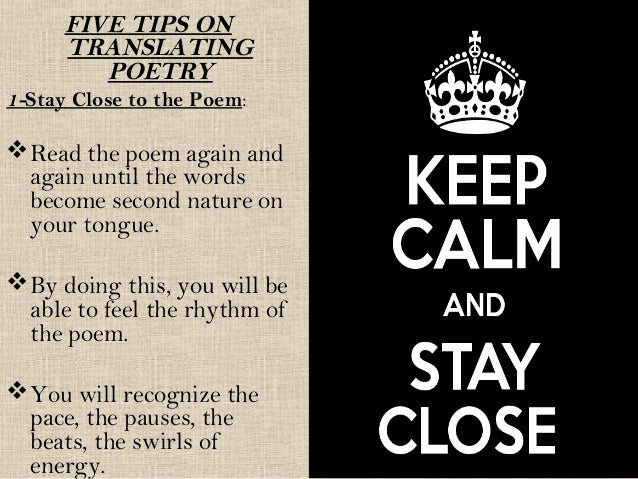
Jak překládat poezii? A překládat ji vůbec? Má přednost forma či obsah? Dají se na překlad poesie aplikovat pravidla, o kterých jsme mluvili?
Dokážete rozpoznat přízvučné a nepřízvučné slabiky, cítit rytmus básně?
Tipy - přečtěte si i komentář!!
1. Vyberte si libovolnou lidovou píseň (připadně jednoduchou básničku) a označte přízvučné slabiky v první sloce.
____________________
2. Stáhněte si z capsy soubor s různými verzemi překladu Shakespearova sonetu.
Shakespeare_Sonet66_13prekladu.doc
Která verze se vám nejvíc líbí? Proč? Napište svůj názor do komentáře k tomuto blogu. Uvažujete nad formou a obsahem nebo více nasloucháte svým pocitům?
Sonet 66 English
https://www.youtube.com/watch?v=4MWBW_c7Fsw
Sonet 66 Hilský
https://www.youtube.com/watch?v=SJw5BQba7zQ
Interview s Martinem Hilskym
__________________________________
3. Přečtěte si pomalu a klidně následující sonet. Vnímejte rytmus a zvukomalbu textu, při druhém čtení se teprve víc soustřeďte na obsah.
SONNET XII
When I do count the clock that tells the time,
And see the brave day sunk in hideous night;
When I behold the violet past prime,
And sable curls all silver'd o'er with white;
When lofty trees I see barren of leaves 5
Which erst from heat did canopy the herd,
And summer's green all girded up in sheaves
Borne on the bier with white and bristly beard,
Then of thy beauty do I question make,
That thou among the wastes of time must go, 10
Since sweets and beauties do themselves forsake
And die as fast as they see others grow;
And nothing 'gainst Time's scythe can make defence
Save breed, to brave him when he takes thee hence.
Pokuste se přeložit jedno ze tří čtyřverší + poslání.
Rozmyslete si, jak budete postupovat.
_______________________
originál
https://www.opensourceshakespeare.org/views/sonnets/sonnets.php
české překlady Shakespeara
Jan Vladislav-pdf
http://lukaflek.wz.cz/poems/ws_sonet29.htm
http://www.v-art.cz/taxus_bohemica/eh/bergrova.htm
http://www.shakespearovy-sonety.cz/a29/
Hilsky sonet 12 youtube
http://sonety.blog.cz/0803/william-shakespeare-sonnet-12-64-73-94-107-128-sest-sonetu-v-mem-prekladu
https://ucbcluj.org/current-issue/vol-21-spring-2012/2842-2/
http://mikechasar.blogspot.cz/2011/02/gi-jane-dh-lawrence.html
16. října 2018
Rozhovor
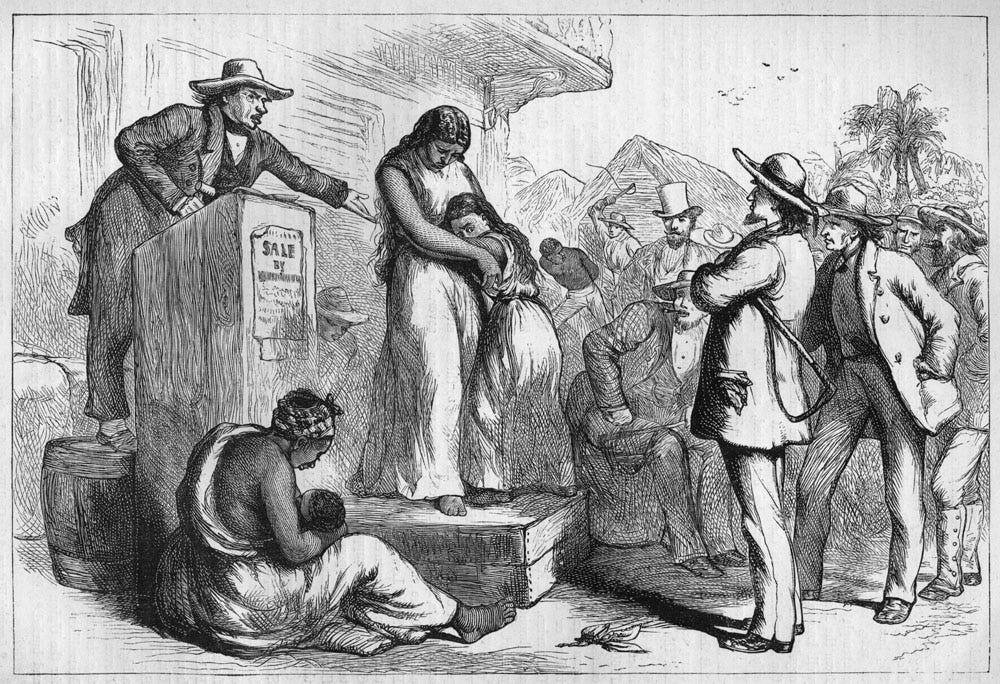
1. Přečtěte si celý úryvek. představte si oba jednající pány.
2. Které jazykové prvky každého z nich charakterizují? jak se dají převést do češtiny?
3. Ve dvojicích přeložte závěr ukázky (podbarvený text). Diskutujte svá řešení.
_____________________________________
UNCLE TOM'S CABIN
or
Life among the Lowly
By Harriet Beecher Stowe
VOLUME I
CHAPTER I
In Which the Reader Is Introduced to a Man of Humanity
Late in the afternoon of a chilly day in February, two gentlemen were sitting alone over their wine, in a well-furnished dining parlor, in the town of P----, in Kentucky. There were no servants present, and the gentlemen, with chairs closely approaching, seemed to be discussing some subject with great earnestness.
For convenience sake, we have said, hitherto, two "gentlemen". One of the parties, however, when critically examined, did not seem, strictly speaking, to come under the species. He was a short, thick-set man, with coarse, commonplace features, and that swaggering air of pretension which marks a low man who is trying to elbow his way upward in the world. He was much over-dressed, in a gaudy vest of many colors, a blue neckerchief, bedropped gayly with yellow spots, and arranged with a flaunting tie, quite in keeping with the general air of the man. His hands, large and coarse, were plentifully bedecked with rings; and he wore a heavy gold watch-chain, with a bundle of seals of portentous size, and a great variety of colors, attached to it,--which, in the ardor of conversation, he was in the habit of flourishing and jingling with evident satisfaction. His conversation was in free and easy defiance of Murray's Grammar,* and was garnished at convenient intervals with various profane expressions, which not even the desire to be graphic in our account shall induce us to transcribe.
* English Grammar (1795), by Lindley Murray (1745-1826), the
most authoritative American grammarian of his day.
His companion, Mr. Shelby, had the appearance of a gentleman; and the arrangements of the house, and the general air of the housekeeping, indicated easy, and even opulent circumstances. As we before stated, the two were in the midst of an earnest conversation.
"That is the way I should arrange the matter," said Mr. Shelby.
"I can't make trade that way--I positively can't, Mr. Shelby," said the other, holding up a glass of wine between his eye and the light.
"Why, the fact is, Haley, Tom is an uncommon fellow; he is certainly worth that sum anywhere,--steady, honest, capable, manages my whole farm like a clock."
"You mean honest, as niggers go," said Haley, helping himself to a glass of brandy.
"No; I mean, really, Tom is a good, steady, sensible, pious fellow. He got religion at a camp-meeting, four years ago; and I believe he really "did" get it. I've trusted him, since then, with everything I have,--money, house, horses,--and let him come and go round the country; and I always found him true and square in everything."
"Some folks don't believe there is pious niggers, Shelby," said Haley, with a candid flourish of his hand, "but I do. I had a fellow, now, in this yer last lot I took to Orleans--'t was as good as a meetin, now, really, to hear that critter pray; and he was quite gentle and quiet like. He fetched me a good sum, too, for I bought him cheap of a man that was 'bliged to sell out; so I realized six hundred on him. Yes, I consider religion a valeyable thing in a nigger, when it's the genuine article, and no mistake."
"Well, Tom's got the real article, if ever a fellow had," rejoined the other. "Why, last fall, I let him go to Cincinnati alone, to do business for me, and bring home five hundred dollars. 'Tom,' says I to him,
'I trust you, because I think you're a Christian--I know you wouldn't cheat.' Tom comes back, sure enough; I knew he would. Some low fellows, they say, said to him--Tom, why don't you make tracks for Canada?' 'Ah, master trusted me, and I couldn't,'--they told me about it. I am sorry to part with Tom, I must say. You ought to let him cover the whole balance of the debt; and you would, Haley, if you had any conscience."
"Well, I've got just as much conscience as any man in business can afford to keep,--just a little, you know, to swear by, as 't were," said the trader, jocularly; "and, then, I'm ready to do anything in reason
to 'blige friends; but this yer, you see, is a leetle too hard on a fellow--a leetle too hard." The trader sighed contemplatively, and poured out some more brandy.
"Well, then, Haley, how will you trade?" said Mr. Shelby, after an uneasy interval of silence.
"Well, haven't you a boy or gal that you could throw in with Tom?"
"Hum!--none that I could well spare; to tell the truth, it's only hard necessity makes me willing to sell at all. I don't like parting with any of my hands, that's a fact."
Here the door opened, and a small quadroon boy, between four and five years of age, entered the room. There was something in his appearance remarkably beautiful and engaging. His black hair, fine as floss silk, hung in glossy curls about his round, dimpled face, while a pair of large dark eyes, full of fire and softness, looked out from beneath the rich, long lashes, as he peered curiously into the apartment. A gay robe of scarlet and yellow plaid, carefully made and neatly fitted, set off to advantage the dark and rich style of his beauty; and a certain comic air of assurance, blended with bashfulness, showed that he had been not unused to being petted and noticed by his master.
"Hulloa, Jim Crow!" said Mr. Shelby, whistling, and snapping a bunch of raisins towards him, "pick that up, now!"
The child scampered, with all his little strength, after the prize, while his master laughed.
"Come here, Jim Crow," said he. The child came up, and the master patted the curly head, and chucked him under the chin.
"Now, Jim, show this gentleman how you can dance and sing." The boy commenced one of those wild, grotesque songs common among the negroes, in a rich, clear voice, accompanying his singing with many comic evolutions of the hands, feet, and whole body, all in perfect time to the music.
"Bravo!" said Haley, throwing him a quarter of an orange.
"Now, Jim, walk like old Uncle Cudjoe, when he has the rheumatism," said his master.
Instantly the flexible limbs of the child assumed the appearance of deformity and distortion, as, with his back humped up, and his master's stick in his hand, he hobbled about the room, his childish face drawn into a doleful pucker, and spitting from right to left, in imitation of an old man.
Both gentlemen laughed uproariously.
9. října 2018
Stylové roviny

Mám tě rád.
Pojď sem a posaď se.
Vložte své návrhy + charakterizaci postav do komentářů.
________________
2. Ve skupinách sepište co nejvíce výrazů více či méně synonymních ke slovu ČLOVĚK. Soustřeďte se na vnímání jejich stylové platnosti - kam je vhodné který výraz zařadit? Která postava ho může použít a v jakém kontextu?
Nápověda:
výrazy archaické x neologismy
pejorativa x diminutiva
emočně negativní x pozitivní
slang a argot x odborná terminologie...
3. Kombinujte různé přípony a předpony se slovesem NÉST/NOSIT. Registrujte a popisujte změny významu i stylové platnosti.
Vložte své nápady do komentáře k tomuto blogu.
Série synonym najdete například zde:
http://prekladanipvk.blogspot.cz/2016/02/synonymie-stylove-roviny.html
http://prekladanipvk.blogspot.cz/2014/10/stylove-roviny.html
2. října 2018
Barva a rytmus

1. Přečtěte si celý následující úryvek. Pokuste se charakterizovat autorský styl. Kdo byl Gerald Durrell? Najděte si podrobné informace o autorovi.
2. Vyberte neobvyklá slovesa a navrhněte jejich překlad. Hrajte si s jazykem, nespěchejte, hledejte barvy a rytmus.
3. Přeložte tučně vyznačenou část načisto a překlad vložte do komentáře k tomuto blogu.
_______________________
GOLDEN BATS AND PINK PIGEONS
Gerald Durrell, 1977
Chapter 1
MACABEE AND THE DODO TREE
When you are venturing into a new area of the world for the
first time, it is essential – especially if you are an animal collector – that
you do two things. One is to get as many personal introductions as you can to
people on the spot; the second to amass as much information as possible, no matter
how esoteric or apparently useless, about the place that you are going to. One
of the ways you accomplish this latter is by contacting the London Embassy or
High Commission of the country concerned. In many cases, this yields excellent results
and you are inundated with maps and vividly coloured literature containing many
interesting facts and much missing information. In other cases, the response is
not quite so uplifting. I am, for example, still waiting for all the
information promised me by a charming Malay gentleman in the London High
Commission when I was going to that country. My trip there was eight years ago.
However, the response you get from the Embassy or High Commission generally
gives you some sort of a clue as to the general attitude prevailing towards
life in the country concerned.
…………..
The
Mascarene Islands, of which Mauritius is the second largest, lie embedded in
the Indian Ocean, east of Madagascar. Forty miles by twenty, Mauritius gleams
in a million tropical greens, from the greens of dragon wing and emerald, to
delicate dawn greens and the creamy greens of bamboo shoot. All this is
encrusted with a rainbow of flowers from the great trees that flame like magic
bonfires of fragile violet-shaped magenta blooms, lying like a thousand shed butterfly
wings among the grass, which itself can be green or yellow, or as pink as the sunset.
In the dawn of the world, Mauritius was formed – when the great
volcano pustules were still bursting and spilling out fire and lava. In a
series of cataclysmic convulsions, the island was wrenched from the sea bed and
lifted skywards, the hot rocks glowing and melting so that cyclone and tidal
wave, hot wind and great rains, moulded and fretted it, and tremendous earth shudders
shook it and lifted it into strange mountain ranges, churning the tender rocks
as a chef whips egg whites until they become stiff and form weird peaks when
lifted up on a fork tip. So the strange-shaped mountains of Mauritius grew; miniature
mountains all under 3,000 feet, but as distinctive, unique and Daliesque, as if
carefully designed for a stage backdrop. A multitude of coral polyps, as
numerous as stars, then formed a protecting roof round it and contained the
lagoon, which encircled the island as a moat encircles a fortress.
Gradually, as the earth formed, seeds arrived, either sea or
air-borne, to send their roots into the volcanic soil, now soft and rich,
watered by many bright rivers. Following, came birds and bats carried by errant
winds, tortoises and lizards like shipwrecked mariners on rafts of branches and
creepers from other lands. These settled and prospered and gradually, over millions
of years, their progeny evolved along their own lines, unique to the islands.
So the Dodo came into being; and the big, black, flightless parrot.
The tortoises grew larger and larger until they were the size of an armchair
and weighed over two thousand pounds, and the lizards vied with each other in
evolving strange shapes and rainbow colours. There being no major predators
except an owl and a small kestrel, the creatures evolved without defence. The
Dodo became flightless, fat and waddling, nesting on the ground in safety, as
did the parrot. There was nothing to harass the slow, antediluvian life of the
tortoise; only the quick, glittering lizards and the golden-eyed geckos needed
to fear the hawk and the owl.
There, on this speck of volcanic soil in the middle of a
vast sea, a complete, unique and peaceful world was created slowly and
carefully. It waited there for hundreds of thousands of years for an
annihilating invasion of voracious animals for which it was totally unprepared,
a cohort of rapacious beasts led by the worst predator in the world, Homo
sapiens. With man, of course, came all his familiars: the dog, the rat, the pig,
and, in this instance, probably one of the worst predators next to man, the
monkey.
In an incredibly short space of time, a number of unique species
had vanished – the Dodo; the giant, black, flightless parrot; the giant
Mauritian tortoise, rapidly followed by the Rodrigues tortoise; and that
strange bird, the Solitaire. The dugong, which used to throng the reefs,
vanished and all that was left of a unique and harmless fauna was a handful of
birds and lizards. These, together with what is left of the native forest, face
enormous pressures. Not only is
Mauritius one of the most densely populated parts of the globe, but as well as
dogs, cats, rats and monkeys, a number of other things have been introduced in
that dangerous, unthinking way that man has.
There are, for example, 20 introduced species of bird, which
include the ever-present house sparrow and the swaggering, dominating mynah.
There is the sleek and deadly mongoose and less damaging but still out of
place, the hedgehog-like tenrec from Madagascar. Then there are the introduced
plants and trees, so that the native vegetation is jostled and strangled by
Chinese guava, wild raspberries, privet and a host of other things. In the face
of all this, the indigenous flora and fauna of Mauritius can be said to be
hanging on to its existence by its finger nails.
Přihlásit se k odběru:
Příspěvky (Atom)